Industrial Cleaning for Power Generation Plants
Power generation plants operate in some of the most demanding environments. Carbon buildup, fly ash, fouling, and chemical deposits accumulate across turbines, HRSGs, boilers, and auxiliary systems—reducing efficiency, increasing maintenance costs, and creating serious operational and safety risks.
- Reduced heat transfer and efficiency → lower output
- Restricted flow and fouled surfaces → operational risk
- Increased fire, corrosion, or electrical hazards → safety concerns
- Unplanned downtime → lost production
In an industry where every megawatt counts, fouling becomes a hidden performance tax. Industrial cleaning helps restore efficiency, recover lost output, and return systems to peak performance—without equipment replacement.
Power Generation Plant Expertise You Can Count On
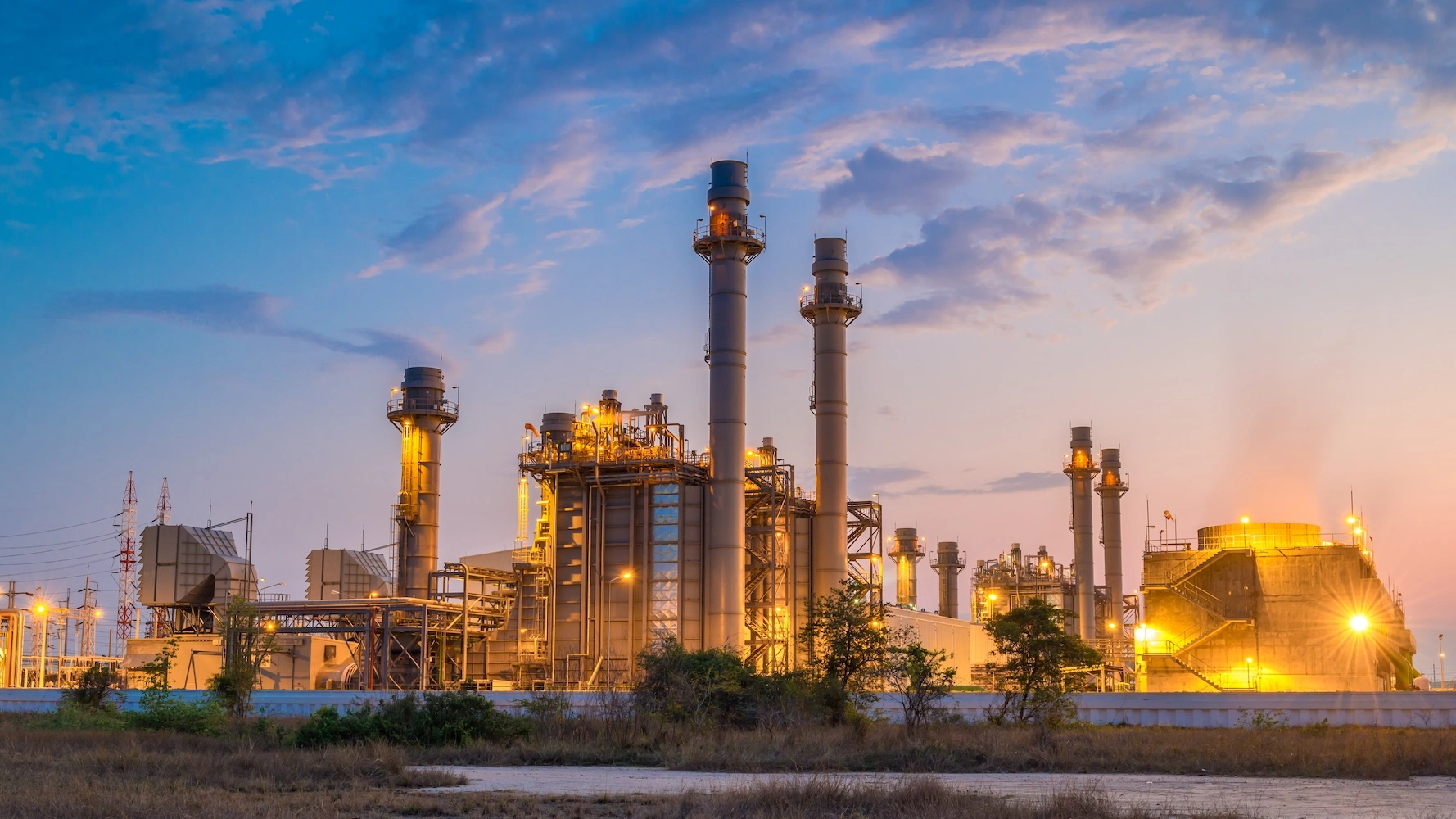
Every power generation plant is an interconnected system where fouling rarely remains isolated. Our team evaluates equipment condition, operating environment, and contamination type before work begins—ensuring a targeted, system-level approach that restores performance safely and efficiently.
Premium Plant Services delivers industrial cleaning across all critical power generation systems:
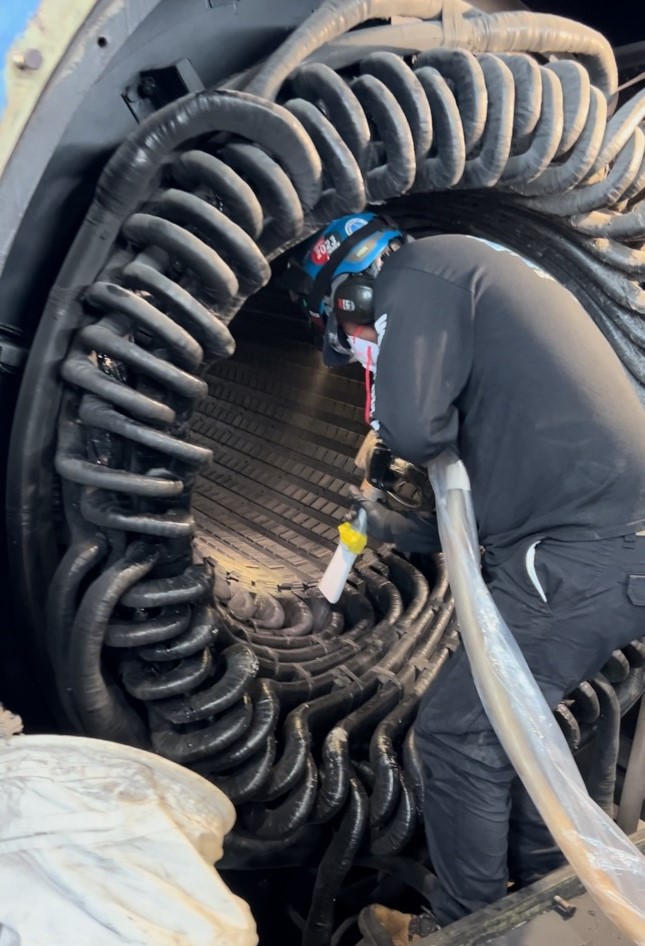
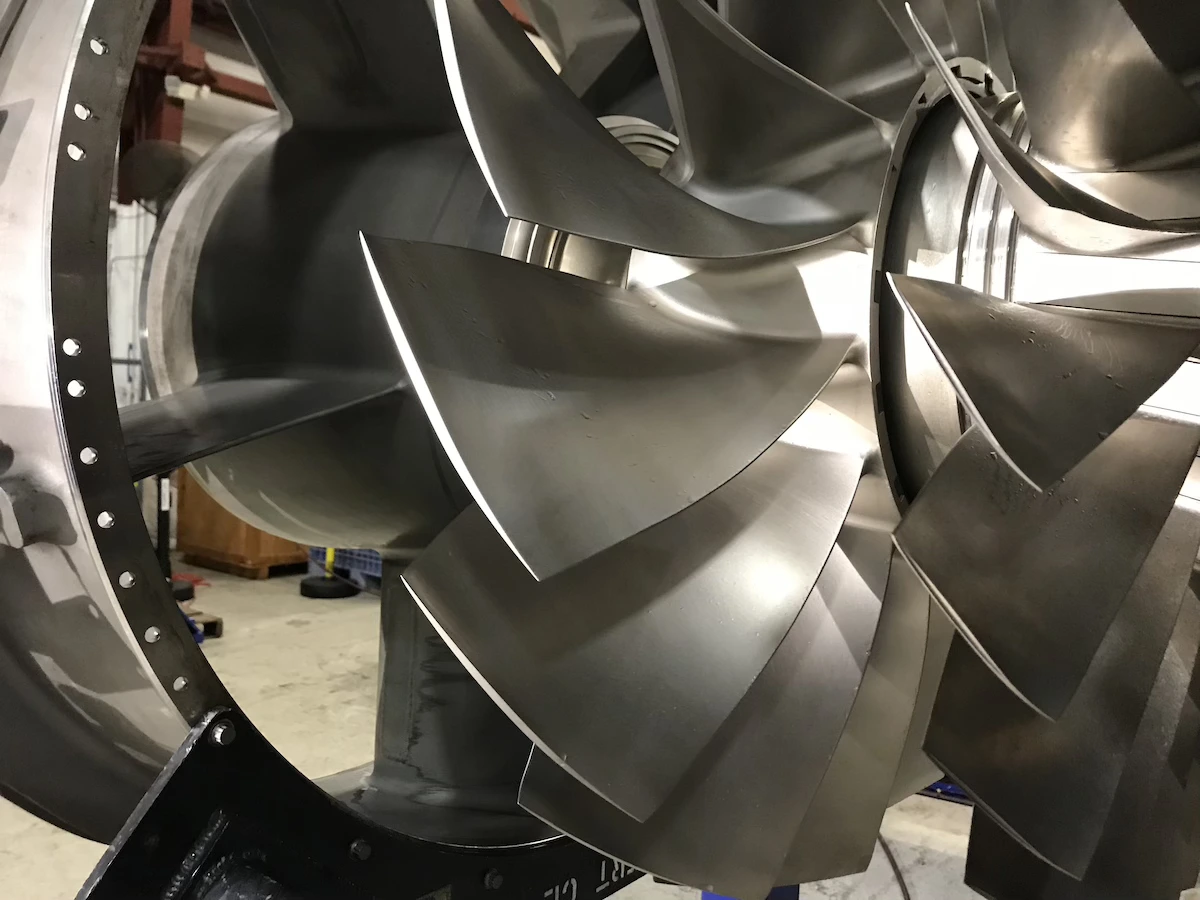
Critical rotating assets where fouling impacts performance, efficiency, and output—including turbines, generators, compressors, and related equipment
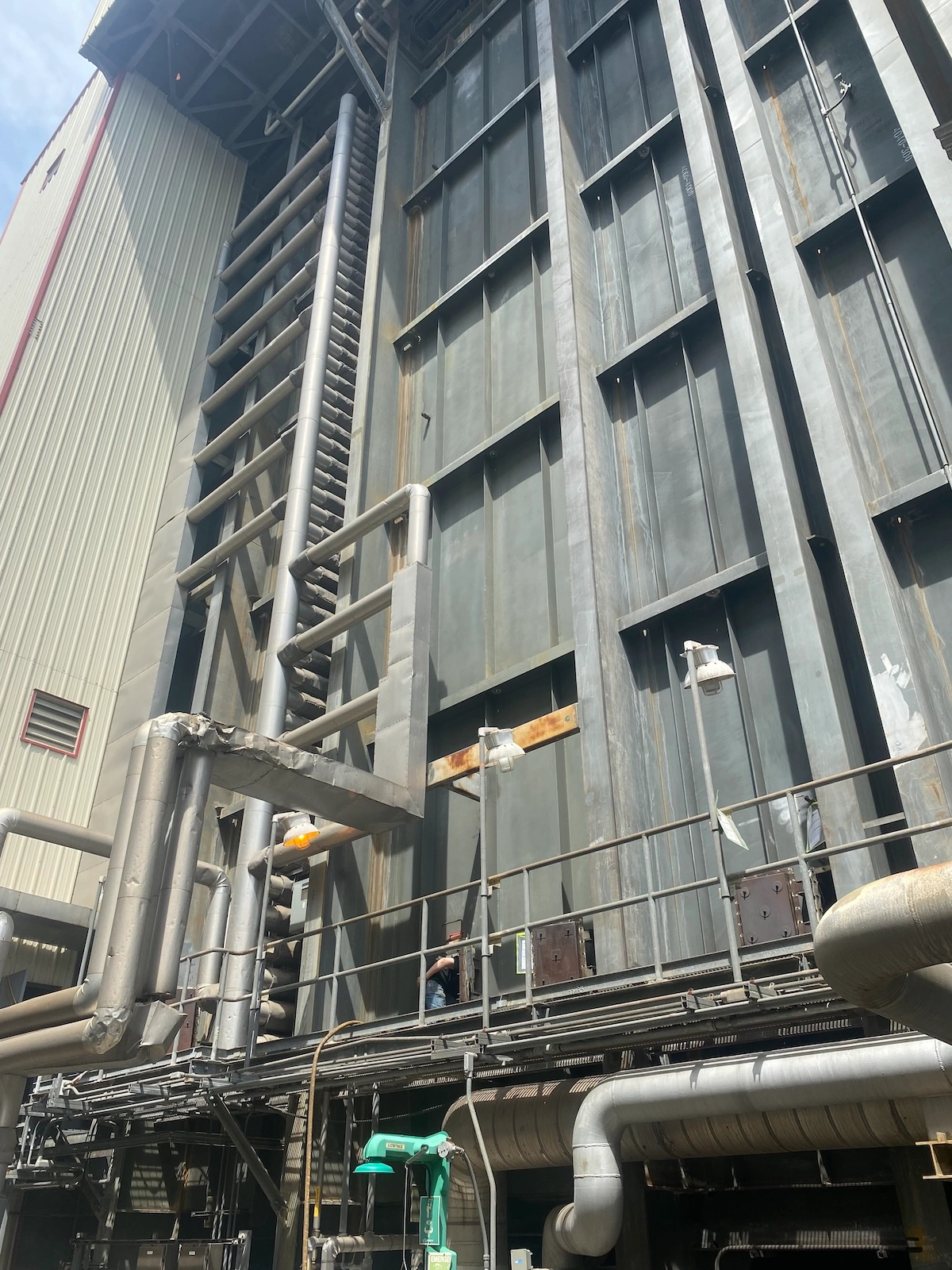
Core generation systems responsible for heat exchange and steam production, including HRSGs, boilers, condensers, cooling systems, and associated components
Air intake systems, filtration, ducting, and gas-side pathways that directly influence combustion efficiency and overall plant performance
Transformers, switch gears, circuit breakers, insulators, bushings, isolators, and substation components requiring controlled, non-conductive cleaning methods
SCR and CO catalysts, baghouses, and stack systems where fouling can impact emissions performance and regulatory compliance
Supporting pumps, motors, gearboxes, piping, and valve systems that ensure overall plant reliability and operational continuity
Planned Maintenance and Emergency Response
Power generation plants operate under strict uptime requirements and tight maintenance windows. Premium supports both planned outages and urgent response needs to help maintain peak performance.
Planned Maintenance: Optimize Outage Windows
Scheduled outages and turnarounds are the most effective time to address fouling before it impacts output. This allows you to:
- Restore heat transfer efficiency
- Clean critical generation systems
- Improve airflow and system performance
- Reduce risk of unplanned downtime
- Support long-term asset reliability
Emergency Response: Rapid Restoration Support
When unexpected fouling impacts operations, Premium responds quickly with experienced crews and the right equipment to help restore system performance. Emergency maintenance is common for the following situations:
- Flow restrictions in HRSGs or boilers
- Turbine or system performance degradation
- Carbon, ash, or residue-related buildup events
- Rapid mobilization to support return-to-service timelines
Industrial Cleaning Methods for Power Generation Plants
The right cleaning method is never left to chance. Premium evaluates system type, contamination, and operational constraints to determine the safest and most effective approach for each application.
Dry Ice Blasting
A non-abrasive, water-free method ideal for sensitive or complex components, dry ice blasting allows for in-place cleaning with minimal downtime and no secondary waste.
Abrasive Blasting
Used for heavier or more resistant buildup, media selection is carefully controlled based on the surface type and contamination severity to ensure effective cleaning without damage.
The Premium Difference
HRSG Cleaning with the Tube Alignment System™
HRSG fouling often develops within tube bundles where airflow and heat transfer are most critical. Standard cleaning methods typically address surface-level buildup.
Premium’s patent-pending Tube Alignment System™ is engineered to improve access within tube bundles, enabling more thorough cleaning across internal surfaces.
It helps:
- Improve airflow through tube bundles
- Restore heat transfer efficiency
- Enhance fin and surface condition
- Recover lost generation capacity
- Extend equipment service life
Borescope inspections consistently confirm deeper cleaning effectiveness and measurable performance improvements.
Deep Industry Experience
With decades of experience in turbines, HRSGs, boilers, and electrical systems, our teams understand how fouling develops, where it impacts performance, and how to restore efficiency without disrupting operations.
Nationwide Coverage
Our crews are strategically positioned across the United States to support both planned outages and emergency response across power generation facilities.
Power Generation Cleaning Guides and Case Studies
Learn more about our methods and see real results in our Learning Center before connecting with our team!
Frequently Asked Questions
Power generation systems naturally accumulate carbon, fly ash, chemical deposits, and combustion byproducts across turbines, boilers, HRSGs, condensers, and air systems. Over time, this fouling reduces heat transfer efficiency, restricts airflow, and contributes to increased operating costs and reduced power output.
Industrial cleaning is commonly performed on HRSGs, boilers, turbines, condensers, cooling systems, air intake systems, ductwork, SCR and CO catalysts, baghouses, transformers, switchgear, and balance-of-plant equipment. These systems are critical to maintaining efficient heat transfer, airflow, and overall plant performance.
Removing fouling and buildup restores heat transfer efficiency, improves airflow, and reduces system resistance across critical generation equipment. This helps recover lost megawatts, improve heat rate performance, reduce fuel consumption, and lower the risk of unplanned outages or performance degradation.
Yes. Most power generation cleaning is completed during planned outages or scheduled maintenance windows to ensure safe access and controlled execution. However, emergency response services are available for urgent issues such as HRSG fouling, boiler restrictions, or performance degradation that threaten generation capacity or uptime.
Ready to Maximize Output and Minimize Downtime?
Start reaping the benefits of regular deep cleaning and maintenance at your power generation facilities. Contact Premium Plant Services to schedule a consultation or site assessment and request a quote. Our team is available to discuss your project more in depth and help you determine the best methods for your project with safety and efficiency at the forefront.