Dry Ice Blasting
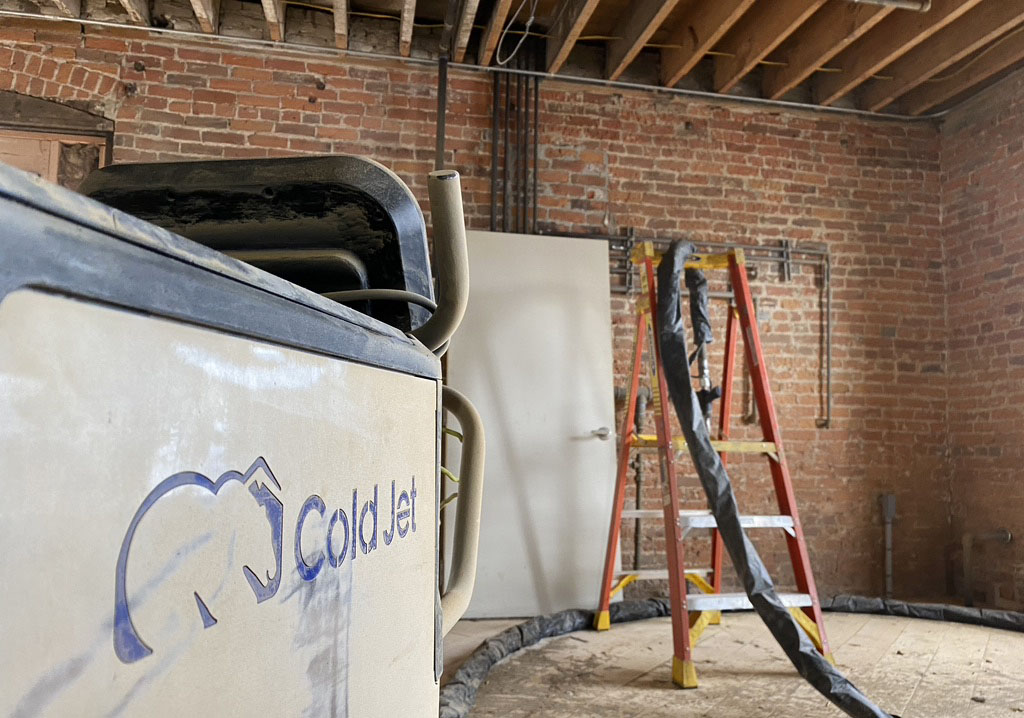
Dry ice blasting is a non-abrasive, chemical-free cleaning method that uses solid carbon dioxide (CO₂) to remove buildup, contaminants, and residue without damaging equipment or creating secondary waste.
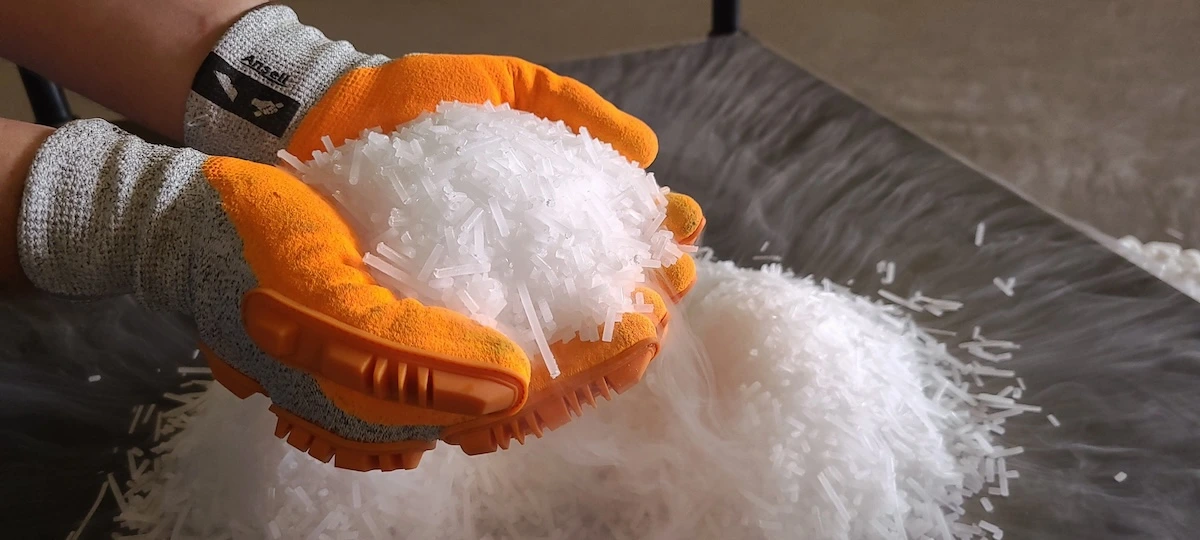
Using compressed air, dry ice pellets are accelerated to break up and lift contaminants from surfaces. The dry ice then sublimates on contact—turning directly from solid CO₂ to gas—leaving no blasting media or moisture behind.
This makes it ideal for sensitive equipment, in-place cleaning, and environments where water, chemicals, or secondary waste are not suitable.

Dry Ice Blasting Key Advantages
- Non-abrasive and safe for sensitive equipment
- No water, chemicals, or secondary waste
- In-place cleaning reduces downtime
- Leaves surfaces clean, dry, and ready for use
How Dry Ice Blasting Works
Dry ice blasting removes contaminants through a controlled process of impact and sublimation. The result is a clean, dry surface that is ready for immediate use, inspection, or recoating.
Compression
Dry ice (solid CO₂) pellets are accelerated using compressed air
Buildup Breakup
Pellets impact the surface and break apart buildup such as grease, oils, carbon, and process residue
Solid to Gas
On contact, the dry ice sublimates, instantly turning from solid CO₂ into gas
Contain Contaminants
The rapid expansion helps lift contaminants away from the surface
No Water, No Problem
Debris is removed without water, abrasive media, or secondary waste
When to Use Dry Ice Blasting
Dry ice blasting is ideal when you need effective cleaning that protects equipment and minimizes downtime:
- Cleaning sensitive equipment without damage
- Removing grease, oil, carbon deposits, adhesives, coatings, and residue
- In-place cleaning without disassembly
- Preparing surfaces for recoating or inspection
- Cleaning in environments where water or chemicals are not suitable
Common Industries That Benefit From Dry Ice Blasting
- Oil refineries and petrochemical facilities
- Power generation
- Food and beverage processing
- Printing and packaging operations
- Industrial and historical restoration projects
- Government, municipal, and regulated environments
Key Benefits & Safety Advantages
Dry ice blasting delivers efficient cleaning while protecting equipment and reducing operational disruption.
- No water, chemicals, or secondary waste
- Non-abrasive and safe for sensitive surfaces
- In-place cleaning reduces downtime and eliminates disassembly in many cases
- Reduces hazardous cleaning exposure and cleanup requirements
- Environmentally friendly—uses recycled CO₂ in solid form
- Lowers waste disposal costs
- Helps extend equipment life by reducing wear, corrosion, and erosion
When Not to Use Dry Ice Blasting
Dry ice blasting may not be the best solution when:
- Heavy, thick, or hardened buildup requires more aggressive removal methods
- Surface profiling or abrasion is required for coating or texture preparation
- Mechanical or high-pressure cleaning is better suited for dense, bonded deposits
For these conditions, hydroblasting or abrasive blasting may be more effective.
Why You Should Choose Premium Plant Services?
Premium Plant Services delivers dry ice blasting solutions built for precision, control, and demanding industrial environments.
Combining decades of dry ice blasting experience, we bring deep technical knowledge and proven field expertise to a wide range of applications. Our teams are trained to deliver consistent, high-quality results in both sensitive and heavy-duty environments.
- Extensive experience across complex industrial cleaning applications
- Proven performance in high-compliance and demanding environments
- Precision cleaning for both delicate and heavy-duty equipment
- Focus on efficiency, safety, and minimal operational disruption
Schedule Professional Dry Ice Blasting Services Today
Ready to improve your cleaning process with safe, efficient dry ice blasting services? Our team delivers non-abrasive industrial cleaning that removes grease, buildup, and contaminants without damaging sensitive equipment or creating secondary waste.